What is a Solar Panel?
Last updated: 2 Jul 2025
2985 Views
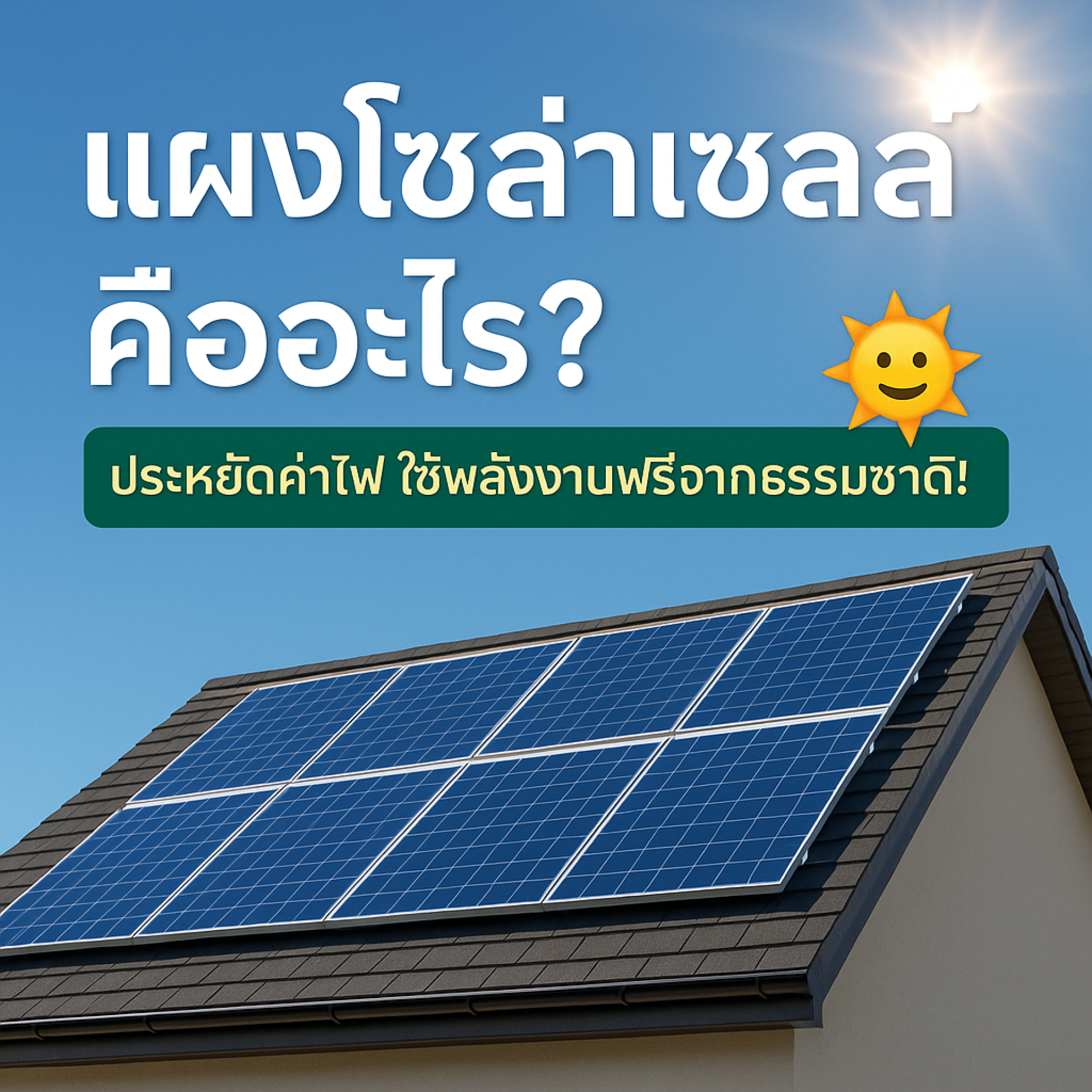
What is a Solar Panel?
In todays world, where clean energy and cost-saving solutions are essential, solar panels have become an increasingly popular choice for homes and businesses alike. But what exactly is a solar panel, and how does it work? Lets explore.
What is a Solar Panel?
A solar panel is a device that converts sunlight into electricity. It is made up of many solar cells, typically crafted from silicon, that absorb sunlight and release electrons to generate electrical current.
These panels are installed in groups (known as arrays) and mounted on rooftops or open spaces to capture maximum sunlight throughout the day.
How Do Solar Panels Work?
Sunlight hits the solar panel the photovoltaic (PV) cells absorb the solar energy.
Electric current is generated the energy excites electrons and creates direct current (DC).
DC power is converted to AC an inverter converts the DC into alternating current (AC), which powers most appliances in homes and buildings.
Types of Solar Panels
Monocrystalline
High efficiency, space-saving
Ideal for limited rooftop areas
Polycrystalline
More affordable
Slightly lower efficiency
Thin-Film
Lightweight and flexible
Suitable for unique surfaces
Benefits of Using Solar Panels
Reduce monthly electricity bills
Use clean, renewable energy
Increase property value
Long lifespan (25+ years)
Environmentally friendly
Who Should Use Solar Panels?
Homeowners looking to reduce utility costs
Businesses and factories with high energy consumption
Schools, offices, and government buildings
Anyone interested in sustainable energy solutions
Conclusion
Solar panels offer a smart and sustainable way to generate electricity from sunlight. With long-term savings, minimal maintenance, and a positive environmental impact, installing a solar system is a worthwhile investment for both homes and businesses.
In todays world, where clean energy and cost-saving solutions are essential, solar panels have become an increasingly popular choice for homes and businesses alike. But what exactly is a solar panel, and how does it work? Lets explore.
What is a Solar Panel?
A solar panel is a device that converts sunlight into electricity. It is made up of many solar cells, typically crafted from silicon, that absorb sunlight and release electrons to generate electrical current.
These panels are installed in groups (known as arrays) and mounted on rooftops or open spaces to capture maximum sunlight throughout the day.
How Do Solar Panels Work?
Sunlight hits the solar panel the photovoltaic (PV) cells absorb the solar energy.
Electric current is generated the energy excites electrons and creates direct current (DC).
DC power is converted to AC an inverter converts the DC into alternating current (AC), which powers most appliances in homes and buildings.
Types of Solar Panels
Monocrystalline
High efficiency, space-saving
Ideal for limited rooftop areas
Polycrystalline
More affordable
Slightly lower efficiency
Thin-Film
Lightweight and flexible
Suitable for unique surfaces
Benefits of Using Solar Panels
Reduce monthly electricity bills
Use clean, renewable energy
Increase property value
Long lifespan (25+ years)
Environmentally friendly
Who Should Use Solar Panels?
Homeowners looking to reduce utility costs
Businesses and factories with high energy consumption
Schools, offices, and government buildings
Anyone interested in sustainable energy solutions
Conclusion
Solar panels offer a smart and sustainable way to generate electricity from sunlight. With long-term savings, minimal maintenance, and a positive environmental impact, installing a solar system is a worthwhile investment for both homes and businesses.
Related Content
Install Solar Rooftop and Claim Up to 200,000 Baht in Personal Income Tax Deduction Save on Both Energy and Taxes
26 Jun 2025
As electricity costs continue to rise, many homeowners are looking for smarter ways to reduce long-term expenses. Solar rooftop systems have become an increasingly popular solution, helping households save on electricity bills while adding long-term value to their homes.
Homeowners in Thailand can now receive tax deduction benefits of up to 200,000 THB* (including VAT) for residential solar rooftop installations under the specified conditions. This makes solar energy an even more worthwhile investment for modern households.
8 May 2026
